Impact of Removing Old Wall Coverings on New Options
Changing the look of your walls can transform a space. When deciding to update wall coverings, removing old wallpaper is often the first step. This process isn’t just about getting rid of the old; it sets the stage for what you can do next. Understanding how this removal impacts future choices helps you make informed decisions. Let’s explore key aspects of wallpaper removal and its influence on your new wall covering options.
Preparation and Surface Condition
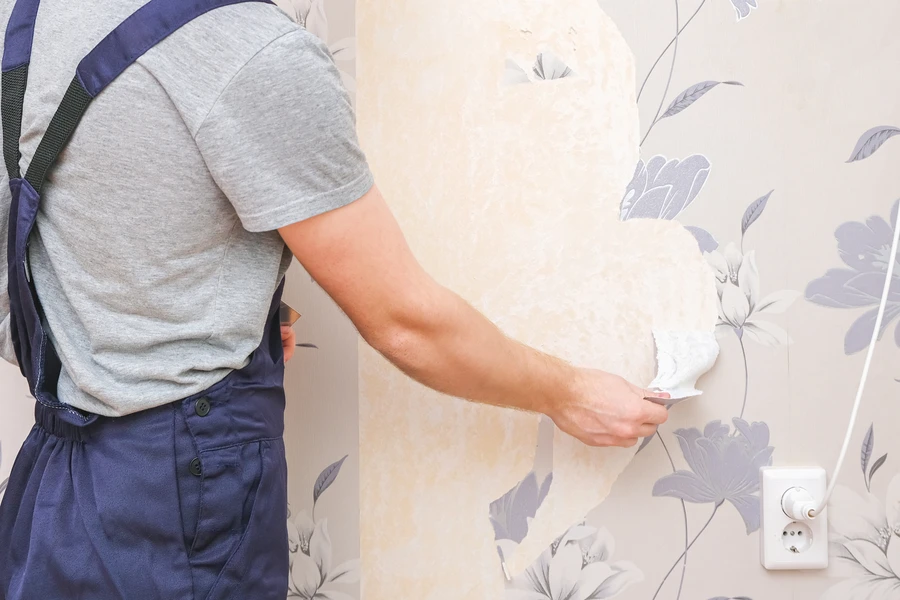
One major consideration in removing wallpaper is the condition of the wall beneath it. Wallpaper removal can reveal surface issues like cracks or holes that need repairing. These conditions affect what type of wall covering you can choose afterward. For example, a wall with many imperfections might require heavier materials to cover up flaws effectively.
Potential Damage From Wallpaper Removal
Removing wallpaper might seem simple, but it can sometimes cause damage to the wall if not done carefully. This is especially true for older homes where wallpaper might have been affixed directly onto drywall without proper priming. If damage occurs, you’ll need to repair it before applying new coverings, which could limit your immediate choices.
Choosing Between Paint and New Wallpaper
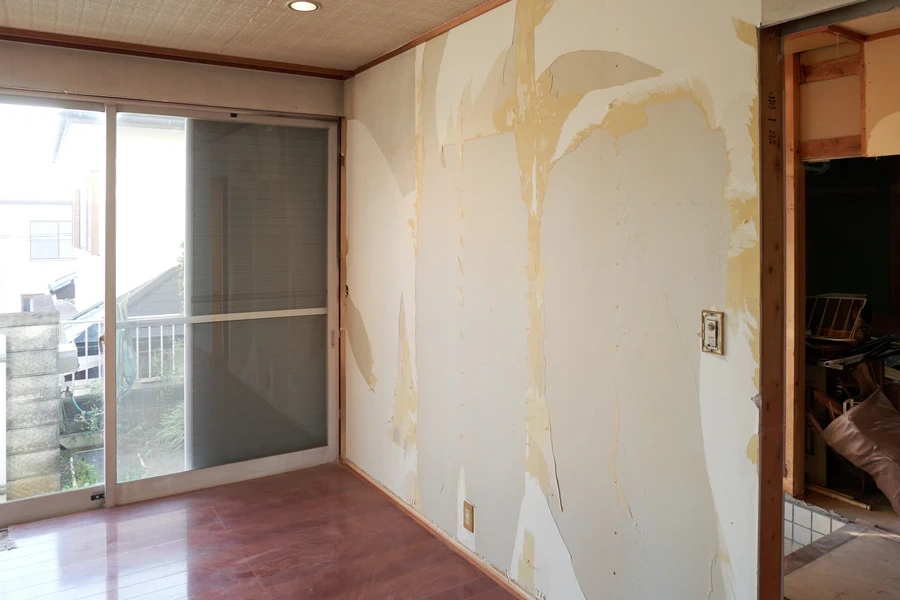
Once you’ve tackled wallpaper removal, consider whether paint or new wallpaper suits your needs better. Each option has its benefits. Paint offers versatility and ease of change, while new wallpaper can add texture and pattern richness. Your decision will depend on factors such as room usage and personal style preferences.
- Paint provides a quick refresh and is easy to apply.
- Wallpaper allows for intricate designs and patterns.
- Consider durability: some wallpapers are more resistant to wear than paint.
Preparing Walls for Re-Covering
The preparation process after wallpaper removal affects your final result greatly. Sanding walls smoothens any remaining adhesive, ensuring even application of new paint or wallpaper. Proper cleaning also prevents residue from interfering with adhesives or paint adherence. Investing time in prep work enhances both appearance and longevity of your new wall covering.
Understanding Adhesive Residue Impact
After removing wallpaper, adhesive residues may remain on walls. This sticky leftover needs elimination to prevent complications when applying new coverings. Failing to clean off adhesive entirely can lead to uneven surfaces and poor adhesion of fresh materials, limiting design flexibility.
Cost Implications of Different Coverings
Budget considerations play a crucial role in choosing between paint or wallpaper post-removal. Paints generally incur lower costs upfront but may require frequent touch-ups. In contrast, quality wallpapers involve higher initial investment but often last longer without needing replacement.
- Assess your budget constraints.
- Weigh long-term maintenance against initial expenses.
- Decide based on overall value and practicality.
Your Next Steps for Stunning Walls
The impact of wallpaper removal on future wall covering choices shouldn’t be underestimated. By understanding these influences, you ensure optimal outcomes for your home makeover project. Consult with professionals for tailored advice suited specifically to your needs and settings. At Montes & Montes Wallpaper Services, we’re dedicated to guiding you through every step of achieving beautiful interiors. Located in Richmond, TX, our team is ready to assist with all your wall covering needs. Call us today at (832) 266-4289 for expert support!